Preparing Your RV for Long‑Term Travel: Essential Maintenance Tips from a Full-Service Dealer
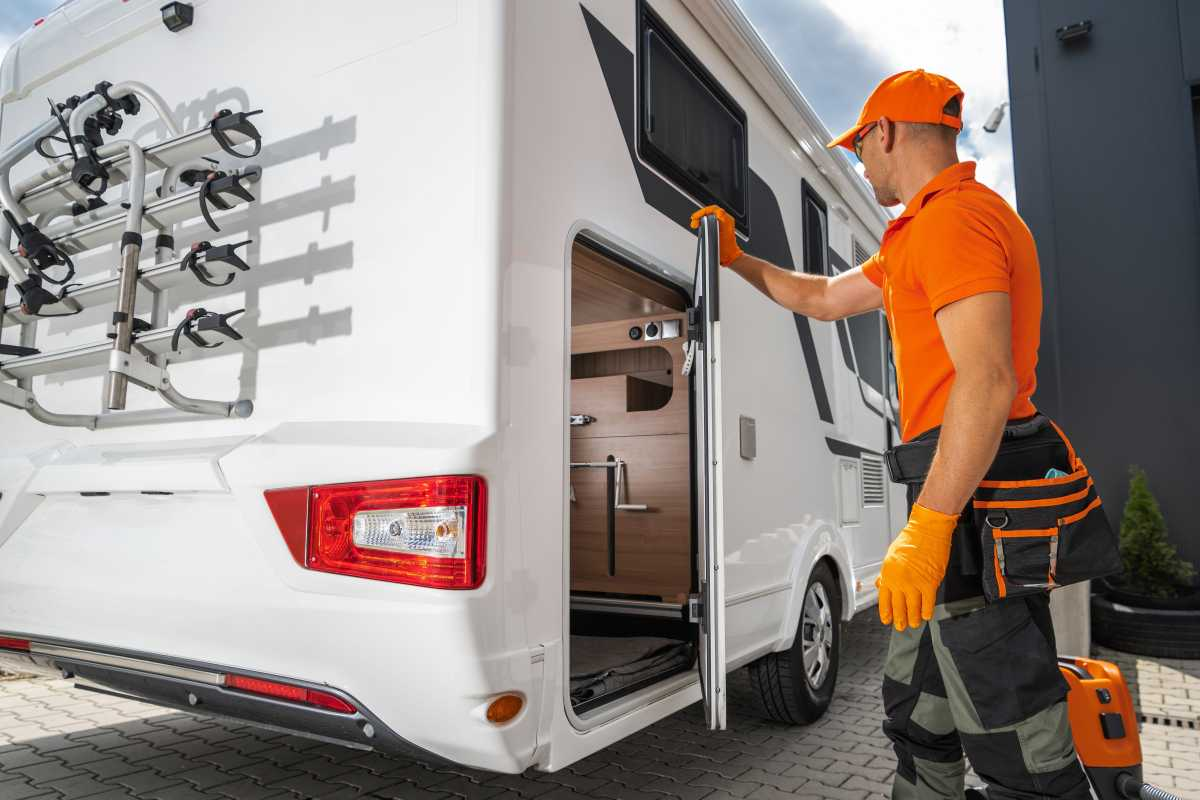
Embarking on a long-term RV adventure is an exciting way to explore new destinations, enjoy the freedom of the open road, and create memories that last a lifetime. However, before setting out on a months-long journey, it’s crucial to ensure your RV is in optimal condition. Regular maintenance not only extends the life of your vehicle but also prevents unexpected breakdowns that can disrupt your travel plans. Whether you’re considering new & used RV sales & full‑service center support or performing some maintenance on your own, understanding the key steps is essential for safe and stress-free travel.
Why Maintenance Matters for Long-Term RV Travel
RVs are complex vehicles that combine the mechanics of a motor vehicle with the systems of a small home, including plumbing, electrical wiring, HVAC, and appliances. This complexity means that even minor issues can escalate quickly if not addressed before a long trip. Investing time in proper maintenance ensures that your RV remains reliable and comfortable on the road.
A full-service RV dealer can provide expert inspection and maintenance services, offering peace of mind for both first-time RV owners and seasoned travelers. From checking the engine and tires to inspecting water lines and propane systems, these centers help identify potential problems before they become costly repairs.
Pre-Trip Inspection Checklist
Before leaving for long-term travel, performing a thorough inspection is critical. Here’s a step-by-step guide:
- Engine and Drivetrain
Start with a complete engine check. Change the oil and oil filter, inspect belts and hoses, and top off all fluids including transmission, brake, and coolant. Ensure your battery is fully charged and terminals are corrosion-free. A full-service center can provide a professional tune-up, including a multi-point engine inspection for both new and used RVs. - Tires and Brakes
Check tire pressure, tread depth, and signs of uneven wear. Long-term trips often involve thousands of miles, so replacing worn tires before departure is safer than risking a blowout. Brake pads, rotors, and brake fluid should also be inspected to guarantee stopping power on diverse terrains. - Plumbing and Water Systems
RV plumbing systems are prone to leaks if not properly maintained. Inspect hoses, seals, and tanks for cracks or leaks. Sanitize your fresh water tank and test water pumps to ensure proper pressure. If your RV is older, a full-service center can inspect the entire plumbing system to prevent costly water damage during travel. - Electrical and Propane Systems
Test all lights, outlets, and appliances before hitting the road. Check the RV’s battery and solar system (if applicable). Inspect propane tanks, lines, and appliances for leaks. Safety is paramount, and professional dealers have the equipment to test propane systems thoroughly. - Roof and Exterior
Leaks can ruin a long-term trip, so inspect the roof for cracks, worn seals, and punctures. Clean and reseal seams if necessary. Don’t forget windows, doors, and exterior storage compartments; proper sealing helps prevent water intrusion and reduces energy loss. - Interior Comfort Systems
Ensure air conditioning, heating, and ventilation systems work efficiently. Test refrigerators, microwaves, and stoves to confirm they operate correctly. Long-term travel requires comfort and reliability, so these systems should not be overlooked.
Preventive Maintenance for Peace of Mind
Even after a pre-trip inspection, preventive maintenance is crucial during your journey. Carry basic tools and spare parts, such as fuses, belts, hoses, and a tire repair kit. Regularly check tire pressure, fluid levels, and battery charge. A proactive approach can prevent minor issues from turning into emergencies, especially in remote areas.
Many RV owners rely on the expertise of a full-service RV center to schedule routine maintenance, even on the road. National or regional dealerships often provide mobile service or referral networks to assist with unexpected repairs, ensuring that your travel plans remain uninterrupted.
Leveraging Professional Services
Purchasing from new & used RV sales & full-service centers comes with added benefits. These dealers offer comprehensive inspections and maintenance packages that save time and reduce stress. From engine diagnostics to seasonal tune-ups, professional service centers are equipped to handle complex RV systems that DIY maintenance might miss.
Moreover, certified technicians can provide guidance on upgrades or modifications for long-term travel, such as solar installations, enhanced water filtration, or upgraded suspension systems. Investing in professional expertise can significantly enhance the safety, efficiency, and enjoyment of your RV experience.
Tips for Long-Term Travel Success
- Plan Maintenance Stops: Identify service centers along your route to handle emergencies or routine maintenance.
- Keep Records: Maintain a detailed log of inspections, services, and repairs. This helps in tracking issues and preserving resale value.
- Monitor Weight and Load: Overloading your RV can cause mechanical strain. Ensure cargo is properly distributed.
- Stay Prepared for Weather: Inspect seals, windows, and awnings regularly, especially if traveling through diverse climates.
Conclusion
Preparing your RV for long-term travel requires careful planning and attention to detail. By combining thorough pre-trip inspections, preventive maintenance, and professional support from a new & used RV sales & full-service center, you can embark on your adventure with confidence. Proper maintenance safeguards your investment, keeps you safe on the road, and ensures that your journey is as enjoyable and stress-free as possible. Whether it’s a first-time journey or your next great adventure, maintaining your RV is the key to a lifetime of memorable travels.