Do Solar Generators Work at Night or on Cloudy Days
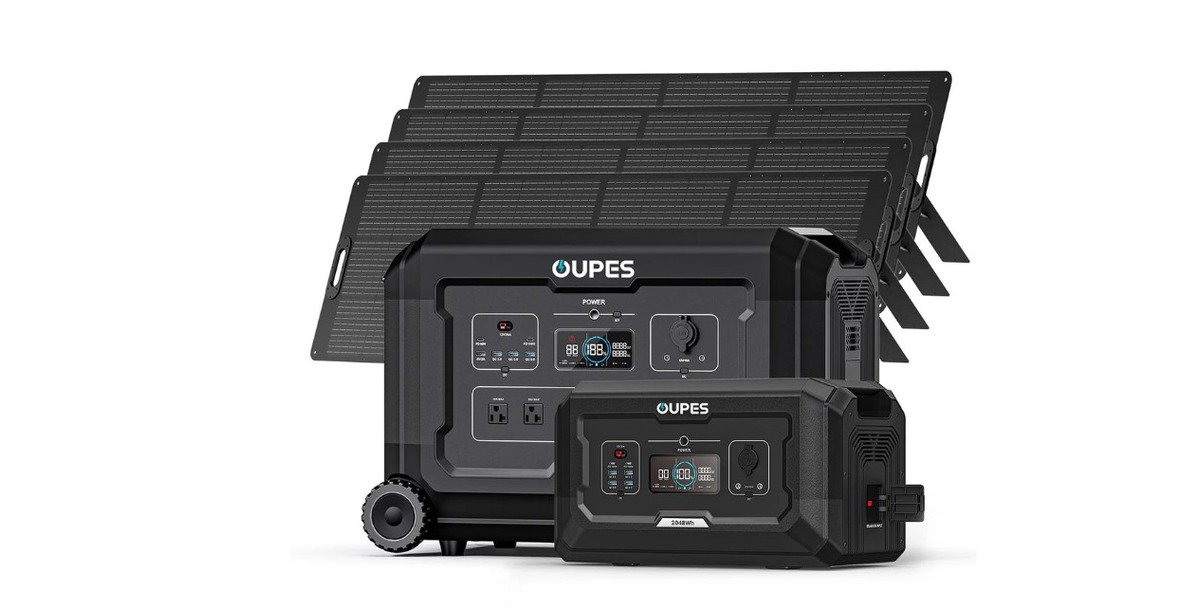
Solar energy has become one of the most reliable and environmentally friendly power solutions in the modern world. Many people are now turning to clean energy systems to reduce their electricity costs and dependence on traditional power grids. A portable power station combined with solar panels can provide reliable power for homes, outdoor trips, and emergencies. However, a common question people often ask is whether solar power can work effectively during the night or when the weather is cloudy. Understanding how these systems operate can help users make smarter energy decisions and choose the right equipment.
Understanding How Solar Generators Work
A solar generator is a system designed to capture sunlight and convert it into usable electrical energy. Unlike traditional fuel-powered generators, solar generators rely on solar panels to collect energy from the sun and store it in a battery for later use. This process makes them cleaner, quieter, and more sustainable for long-term use.
The system usually consists of three major components: solar panels, a battery storage unit, and an inverter. Solar panels collect sunlight and convert it into direct current electricity. That electricity is then stored inside the battery of a portable power station, allowing users to power devices whenever they need electricity. The inverter converts the stored energy into alternating current so it can run common appliances like laptops, lights, fans, and small household equipment.
Do Solar Generators Work at Night?
Stored Energy Makes Nighttime Use Possible
Solar generators do not produce electricity directly at night because there is no sunlight for the panels to capture. However, the system continues to work by using the electricity that was stored in its battery during the daytime.
For example, if the solar panels collect energy throughout the day, that electricity remains stored in the battery until it is needed. In the evening, users can simply connect their devices to the generator and use the stored power. High-quality energy systems like those produced by OUPES often include larger batteries, allowing them to supply electricity for several hours or even an entire night depending on the power demand.
The effectiveness of nighttime operation depends largely on how much energy was stored during the day. If the day was sunny and the battery was fully charged, the generator would perform well throughout the night.
How Solar Generators Perform on Cloudy Days
Solar Panels Still Capture Diffused Sunlight
Many people believe solar generators stop working when the sky is cloudy, but that is not completely true. Solar panels can still generate electricity from diffused sunlight that passes through clouds. While the amount of energy produced is lower than on bright sunny days, the system still collects some power.
During cloudy conditions, solar panels might operate at around 10% to 50% of their maximum efficiency, depending on cloud thickness and weather conditions. This means the solar power generator will charge more slowly, but it will not completely stop producing electricity.
Battery Capacity and Its Role in Power Availability
Why Larger Batteries Improve Reliability
One of the most important features of a solar generator is the size of its battery. The battery determines how much electricity can be stored and how long devices can run without additional sunlight. A larger battery allows a portable power station to store more energy during the day, which can then be used at night or during cloudy weather.
Battery management systems also help regulate charging and discharging, which protects the battery from overuse and extends its lifespan. This technology ensures the generator remains reliable even when sunlight is limited.
Tips to Maximize Solar Generator Efficiency
Position Solar Panels Properly
To ensure maximum energy production, solar panels should be placed where they receive the most sunlight. Open spaces without shade from trees, buildings, or other objects allow panels to capture more solar energy during the day.
Use Energy-Efficient Devices
Using energy-efficient appliances can significantly extend the operating time of a solar generator. LED lights, low-power electronics, and efficient charging devices consume less electricity, allowing the stored energy to last longer.
Choose High-Quality Equipment
Not all solar generators are built the same. Reliable manufacturers such as OUPES design systems with efficient batteries, advanced inverters, and optimized charging technology. Investing in quality equipment ensures better performance and longer durability.
Advantages of Solar Generators for Everyday Use
Solar generators provide several advantages compared with traditional fuel-powered generators. They operate quietly, produce no harmful emissions, and require minimal maintenance. Because they rely on sunlight rather than gasoline or diesel, they are also more cost-effective over time.
Their portability and renewable energy source make them an increasingly popular solution for households and travelers alike.
Conclusion
Solar generators are designed to provide flexible and reliable power, even when sunlight is not immediately available. While solar panels themselves cannot generate electricity at night, the energy collected during the day is stored in the battery of a portable power station and used later when needed. Similarly, cloudy weather may reduce solar efficiency, but it does not completely stop energy production.
