Why Protein Matters for Men’s Health, Strength, and Daily Energy
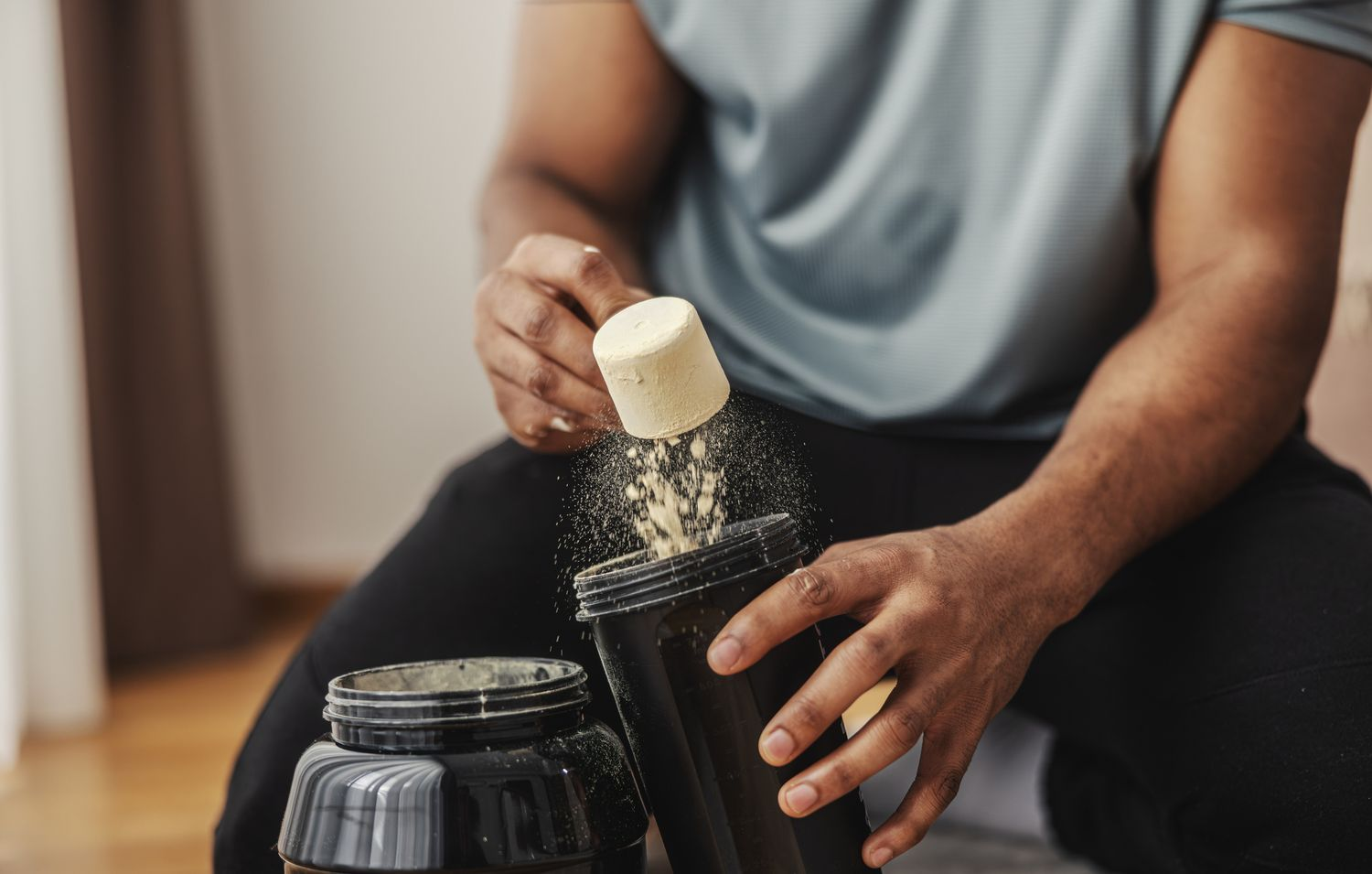
Muscle does not disappear overnight, but it can gradually become harder to maintain as men get older, especially when physical activity decreases. One of the simplest nutritional factors that can help support muscle maintenance, recovery, and overall physical function is adequate protein for men’s health. Protein provides amino acids that the body uses to build and repair tissues, while also contributing to enzymes, hormones, immune components, and other essential structures.
Some men also consider men’s wellness support as part of a broader approach to maintaining confidence, energy, and general well-being. Any supplement should be viewed as complementary to a balanced diet and healthy lifestyle rather than a replacement for proper nutrition or professional guidance.
For men who exercise regularly, follow a demanding lifestyle, or are entering middle and later adulthood, getting enough protein becomes particularly relevant. However, more is not automatically better. The right amount depends on body size, activity level, age, overall diet, and individual health circumstances.
Why Protein Matters for Men
Protein is one of the three major macronutrients, alongside carbohydrates and fats. Unlike those nutrients, protein is particularly important for maintaining and rebuilding body tissues.
Adequate dietary protein for men can support several areas of health:
- Maintenance of muscle mass
- Recovery after physical activity
- Production of enzymes and hormones
- Maintenance of connective tissues
- Support for immune function
- Preservation of physical strength during aging
- Better nutritional quality when protein-rich whole foods replace less nutritious choices
These functions are not unique to men, but maintaining muscle and physical function becomes increasingly important with age. Research on older adults suggests that protein combined with regular exercise can help support muscle strength and function.
How Much Protein Do Men Need?
There is no single protein target that is appropriate for every man.
For generally healthy adults, the commonly used Recommended Dietary Allowance is approximately 0.8 grams of protein per kilogram of body weight per day. The National Academies lists 0.8 g/kg/day as the adult recommendation.
For example, a 75-kilogram man would need roughly 60 grams per day under that general recommendation.
However, physical activity changes the picture. Men who regularly perform resistance training or other demanding exercise may require more protein to support training adaptations and recovery. The American College of Sports Medicine has described approximately 1.2–1.7 g/kg/day as a useful range for people who regularly lift weights or train for endurance events.
Older adults may also benefit from higher protein intake. Expert groups have suggested approximately 1.0–1.2 g/kg/day for healthy older adults, with higher amounts sometimes appropriate during illness or under specific circumstances.
These figures are useful reference points, not universal prescriptions.
Best High-Protein Foods for Men
The easiest way to improve protein intake is usually to build meals around nutritious whole foods rather than relying entirely on supplements.
Useful high-protein foods for men include:
| Food | Practical Benefit | How to Use It |
| Eggs | Convenient source of high-quality protein | Breakfast or snacks |
| Greek yogurt | Protein-rich and easy to combine with fruit | Breakfast or snack |
| Chicken | Lean, versatile protein source | Lunch or dinner |
| Fish | Protein plus important nutrients | Several meals per week |
| Milk | Provides protein and other nutrients | With meals or snacks |
| Lentils | Plant protein plus fiber | Curries, soups, or salads |
| Chickpeas | Protein and fiber | Salads, curries, or hummus |
| Beans | Affordable plant-based option | Main meals or side dishes |
| Cottage cheese | Convenient protein-rich food | Snack or breakfast |
| Nuts and seeds | Protein plus healthy fats | Small portions with meals |
Plant-based protein sources can absolutely contribute to a healthy diet. Combining legumes, grains, nuts, seeds, and other nutritious foods throughout the day can help create a varied dietary pattern.
Protein and Muscle Building
Protein alone does not build substantial muscle. Resistance exercise provides the training stimulus, while adequate nutrition supplies the materials needed for adaptation.
This is why protein and muscle growth should be considered together rather than separately.
A practical approach is to combine:
- Regular resistance training.
- Adequate daily protein.
- Enough total calories to support the chosen goal.
- Sufficient carbohydrates for training energy.
- Healthy fats and micronutrient-rich foods.
- Consistent sleep and recovery.
Research and professional guidance support combining adequate protein with resistance exercise to support muscle development and physical function.
There is also no need to make every workout extremely complicated. Consistent resistance training that progressively challenges major muscle groups can provide a useful foundation.
Does Protein Automatically Increase Testosterone?
This is an area where online nutrition advice often becomes exaggerated.
Protein is essential for normal nutrition and tissue maintenance, but eating large quantities of protein should not be presented as a guaranteed way to increase testosterone. Hormone levels are influenced by multiple factors, including age, energy balance, body composition, sleep, physical activity, and overall health.
A balanced diet that provides adequate protein is therefore more sensible than focusing on protein as a standalone hormone-boosting strategy.
If a man has persistent symptoms that raise concerns about hormone levels, dietary changes alone should not be used as a substitute for appropriate medical evaluation.
Should Protein Be Spread Throughout the Day?
Instead of consuming nearly all daily protein in one meal, spreading protein across meals can be a practical strategy.
For example, a day could include:
- Eggs or yogurt at breakfast
- Chicken, fish, beans, or lentils at lunch
- Milk or yogurt as a snack
- Fish, chicken, beans, or another protein-rich food at dinner
For older adults, recent reviews and professional guidance have discussed distributing adequate protein across meals as one practical approach to supporting muscle protein synthesis.
The exact meal pattern matters less than consistently meeting appropriate overall nutritional needs.
When More Protein Is Not Better
A common mistake is assuming that extremely high protein intake must produce better results.
For healthy, active individuals, higher protein intakes can be appropriate depending on training and goals. However, people with certain medical conditions may require individualized dietary advice.
For example, the 2024 KDIGO clinical practice guideline recommends approximately 0.8 g/kg/day for adults with moderate-to-severe chronic kidney disease and advises avoiding high protein intake above 1.3 g/kg/day in those at risk of progression.
This does not mean protein is inherently harmful. It means protein requirements should be considered in the context of an individual’s health status.
Men with known kidney disease or other significant medical conditions should discuss their protein intake with an appropriately qualified healthcare professional before making major dietary changes.
Simple Ways to Improve Protein Intake
You do not necessarily need expensive products or complicated meal plans to increase your protein intake.
Try these practical changes:
- Add eggs or Greek yogurt to breakfast.
- Include a protein-rich food in every main meal.
- Replace some highly processed snacks with yogurt, nuts, or beans.
- Add lentils or chickpeas to regular meals.
- Choose fish or lean poultry when appropriate.
- Check food labels when buying packaged foods.
- Adjust portions according to your body size and activity level.
- Combine protein intake with regular resistance exercise.
The goal is not simply to eat more protein. The goal is to create a balanced diet in which protein is adequate and comes from nutritious sources.
Frequently Asked Questions
How much protein does a man need each day?
A general adult reference point is about 0.8 g/kg of body weight per day, while active people and older adults may need more depending on their circumstances. (National Academies Press)
Are eggs a good source of protein?
Yes. Eggs provide high-quality protein and can be included as part of a balanced diet. They are also convenient and easy to prepare.
Is protein powder necessary for building muscle?
No. Many people can meet their protein needs through ordinary foods. Protein supplements can be convenient, but they are not automatically necessary when a balanced diet already provides sufficient protein.
Alongside nutrition and regular exercise, some adults explore men’s health support products as an additional part of their personal wellness routine. These products should be evaluated carefully for ingredients, appropriate use, and individual suitability rather than treated as a substitute for healthy lifestyle habits.
Conclusion
Adequate protein for men’s health is an important part of maintaining muscle, supporting recovery, and preserving physical function throughout adulthood. The appropriate amount varies according to body weight, age, activity level, dietary pattern, and health status.
For most men, the practical approach is straightforward: include a nutritious protein source in regular meals, combine adequate nutrition with resistance exercise, and avoid assuming that extreme intake produces better results. As men age or develop specific health conditions, protein needs may change, making individualized guidance more valuable. A balanced diet built around nutritious foods remains more important than chasing a single nutrient target.