How Data-Driven Targeting Is Reshaping Digital Marketing
Key Takeaways:
- Data-driven targeting enhances marketing precision and efficiency.
- AI and machine learning are pivotal in analyzing consumer behavior.
- Privacy regulations are influencing data collection and usage.
- Real-world examples demonstrate the impact of data-driven strategies.
The Shift Towards Data-Driven Marketing
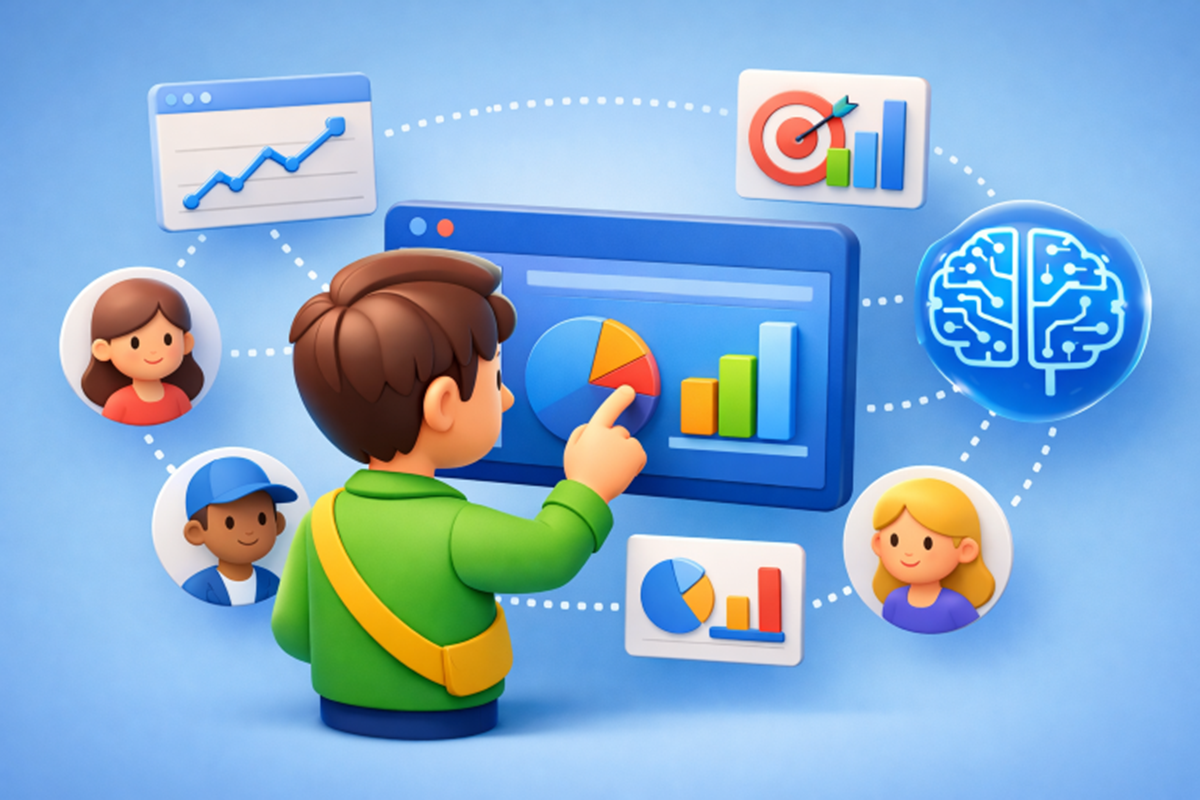
Digital marketing is moving rapidly away from traditional tactics and toward strategies that prioritize precise, data-driven targeting. Marketers now rely on large volumes of information to craft campaigns that speak directly to specific audience segments, lowering wasted ad spend and improving campaign results. By leveraging data insights, brands can understand customer needs and behaviors in real time, refining their outreach accordingly.
This revolution is not confined to online retail or social media. Even regulated sectors, such as healthcare research, are benefitting from smarter targeting, tapping platforms like a clinical research panel platform to reach highly qualified participants. As data becomes increasingly available and actionable, businesses are finding unprecedented opportunities to connect with their audiences and maximize their returns.
The ongoing changes in digital marketing represent more than a short-lived trend. They mark a fundamental shift in how businesses approach their customers. Marketers are investing in technology, data science, and analytics infrastructure, equipping themselves to make better decisions at every step of the customer journey. The move to data-driven strategies means that businesses are now competing not just on creative power but on how effectively they harness information.
Marketers who are slow to adopt data-driven practices risk falling behind competitors that embrace these tools and methods. As campaigns become more customizable and personal, the pressure mounts for companies to integrate data across all digital touchpoints. Industry experts suggest that the next wave of digital transformation will be shaped by those who can blend technological innovation with creative storytelling.
The breakout technologies fueling this marketing revolution are artificial intelligence and machine learning. These tools analyze enormous volumes of data at speeds and depths that were previously unimaginable. AI-driven algorithms help marketers find patterns in customer behavior, forecast future trends, and optimize campaigns in real time. For example, with AI-powered intention models, ad platforms target users based on what they are likely to do next instead of on just keywords or page context, leading to more relevant and higher-performing advertisements.
Additionally, machine learning’s capabilities for predictive analytics enable brands to micro-segment their audiences, delivering content and offers that feel tailored to individual customer journeys. According to Forbes, AI continues to be pivotal in transforming customer experience and campaign effectiveness, with organizations experiencing improved returns and greater personalization at scale.
Privacy Regulations and Data Collection
As the marketing industry harnesses more consumer data, privacy concerns have taken center stage. Governments around the world have introduced sweeping regulations such as the General Data Protection Regulation (GDPR) and the California Consumer Privacy Act (CCPA). These laws require companies to collect and handle customer data transparently, securely, and with explicit consent.
Compliance has become a non-negotiable part of a data-driven marketing strategy. Marketers today must ensure that they manage data according to legal requirements, provide clear opt-out mechanisms, and maintain the integrity of customer information. Non-compliance not only leads to significant legal penalties but can also erode consumer trust, making transparent data practices as much of a business imperative as a legal one.
Real-World Applications and Success Stories
Many brands have already realized substantial gains by pivoting toward data-driven approaches. In 2025, consumer technology companies and major retailers reported shifting their digital ad spend with a greater focus on AI adoption and precision measurement. By doing so, they achieved more personalized campaigns, higher engagement rates, and a measurable improvement in return on investment.
For instance, companies using data enrichment techniques and real-time behavioral analytics have seen a significant uptick in both click-through rates and sales conversions. These brands are able to continuously test, refine, and optimize their strategies, ensuring ongoing improvement and customer satisfaction. According to Forbes, organizations that use advanced analytics in marketing are twice as likely to outperform competitors in customer engagement metrics.
Challenges in Data-Driven Targeting
While data-driven targeting provides impressive benefits, it is not without challenges. Many organizations struggle with data quality, facing issues like incomplete records, outdated information, or siloed data systems. These factors can result in misguided marketing decisions and wasted resources. Integration is another hurdle. As businesses adopt more tools and platforms, connecting these technologies in a cohesive ecosystem requires investment in IT, data governance, and skilled analytics teams.
Another ongoing challenge is balancing the growing demand for personalized experiences with the equally important need to protect user privacy. Marketers must carefully design their campaigns so that consumers feel understood without feeling surveilled, and regulations like GDPR demand rigorous adherence to user consent and preference management.
Future Trends in Data-Driven Marketing
Looking ahead, data-driven marketing will continue to evolve as AI, machine learning, and automation technologies mature. One probable trend is the rise of zero-party data, where customers provide information directly and voluntarily in exchange for more personalized services. With increasing awareness around data rights, organizations that practice transparency, secure data handling, and ethical marketing will likely stand out as leaders.
As voice search, visual AI, and omnichannel attribution models grow, marketers must remain agile and proactive in testing and adopting new technologies. Success in the coming years will depend on a brand’s ability to master both the art of storytelling and the science of data analytics.
Implementing Data-Driven Strategies
For organizations eager to embrace data-driven marketing, a clear plan of action is crucial. Start by investing in robust AI and machine learning tools. These technologies will enable deep consumer insights and campaign automation. Next, ensure all data collection and management practices adhere to existing privacy regulations, building trust with customers through clear, transparent communication.
- Invest in AI and machine learning tools to analyze consumer data.
- Ensure compliance with privacy regulations to build consumer trust.
- Focus on data quality and integration for accurate insights.
- Train staff to effectively use data-driven tools and interpret results.
Focusing on data quality and seamless integration between platforms will ensure your insights are accurate and actionable. Finally, prioritize continued training and professional development for your marketing team. As digital marketing grows more data-centric, having staff who can interpret, communicate, and act on complex information becomes invaluable.
Conclusion
Data-driven targeting is reshaping digital marketing into a more precise, efficient, and accountable discipline. While hurdles such as privacy concerns and data integration exist, they are outweighed by the competitive advantages of enhanced targeting, better customer experiences, and improved ROI. By actively embracing data-driven strategies, organizations will not only keep pace with digital marketing’s future but also position themselves to lead in an increasingly information-centric economy.