Synthetic Ice Rinks: Transforming Urban Spaces and Community Life
Key Takeaways
- Synthetic ice rinks provide consistent skating opportunities year-round, regardless of the weather.
- They offer a sustainable, cost-saving alternative to refrigerated rinks, reducing energy and water consumption.
- Unconventional spaces like rooftops and empty urban lots can be easily transformed with synthetic ice panels.
- The ease of access and novelty invigorates local economies and strengthens social bonds.
Table of Contents
- Year-Round Skating in Any Climate
- Environmental and Economic Benefits
- Maximizing Urban Space
- Enhancing Community Engagement
- Case Studies of Successful Implementations
- Conclusion
Urban centers face a constant challenge of making limited space both engaging and accessible year-round for their communities. As cities strive to attract residents and visitors with innovative solutions, the installation of municipal synthetic ice rink facilities is gaining rapid attention. These rinks offer a forward-thinking answer to urban recreation by providing the thrill of ice skating without the weather limitations or the infrastructure typically required by traditional ice arenas. The flexibility of synthetic ice is unlocking new ways to revitalize parks, plazas, rooftops, and even commercial properties, bringing the joys of skating where conventional rinks cannot go.
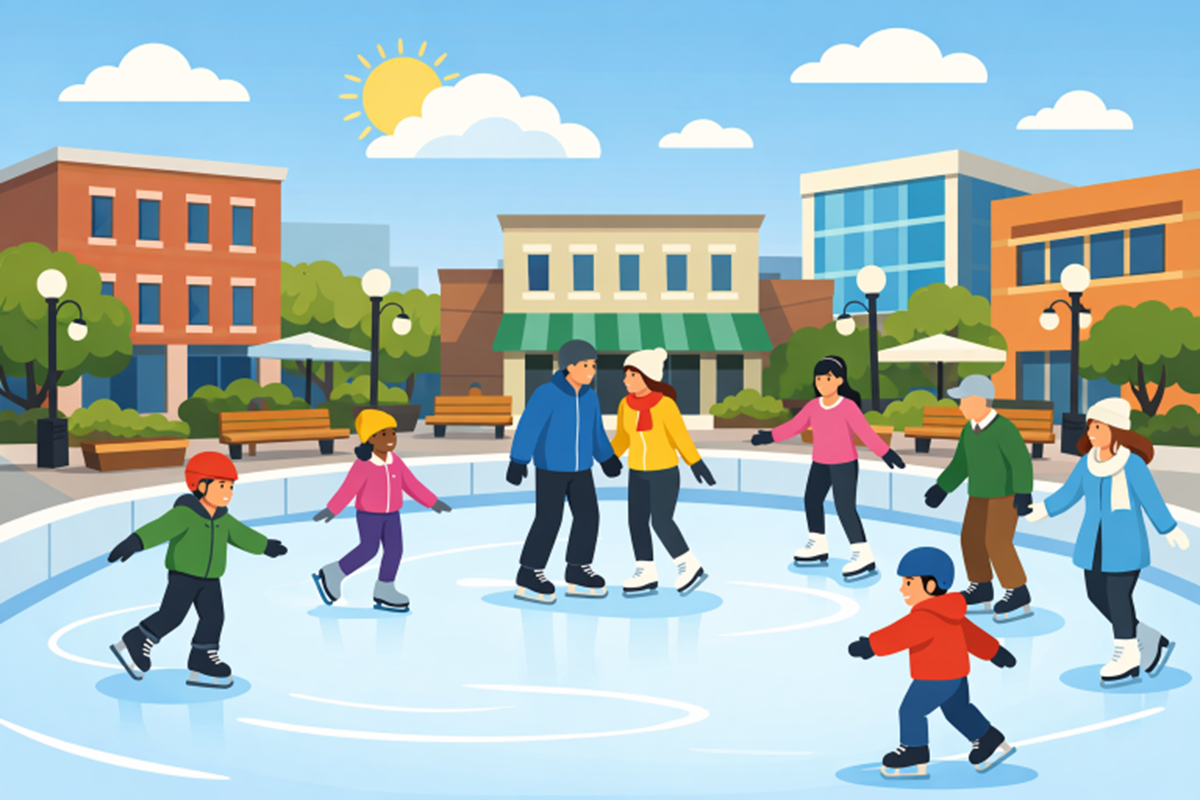
Synthetic ice rinks are transforming the recreational landscape by combining year-round accessibility with significant environmental benefits. They create inclusive environments that foster memorable social experiences for people of all ages and backgrounds. By forgoing the dependence on refrigeration, freezing equipment, and hefty maintenance, synthetic surfaces help reduce overall operational costs while extending their reach into climates and communities that previously missed out on these activities.
Year-Round Skating in Any Climate
Unlike conventional ice rinks, which are limited by temperature and require constant refrigeration, synthetic ice panels crafted from specialized polymers allow for skating 12 months a year. These panels offer glide and feel similar to real ice, so cities in any climate can host skating events in summer or winter without weather-related limitations. Urban planners are increasingly turning to synthetic ice technologies to deliver recreational programs in parks, plazas, and community centers year-round, ensuring that everyone has a chance to participate regardless of local weather or energy constraints. Learn more about the science of synthetic ice in this Popular Mechanics resource.
Environmental and Economic Benefits
Traditional refrigerated ice rinks consume vast amounts of water and energy per hour. Synthetic rinks sidestep these issues, requiring only periodic cleaning and maintenance to remain in top shape. The absence of refrigeration directly translates into lower operational expenses and a drastically reduced environmental impact. Over time, the savings become substantial, especially for cities or organizations using public funds. The robust polyethylene construction means these rinks withstand heavy traffic and last for many years. This durability reduces replacement and repair costs, another compelling reason for their increasing adoption in both the public and private sectors.
Maximizing Urban Space
Urban land is precious. By using flexible, modular synthetic ice panels, cities can transform nearly any flat area into a vibrant recreation zone. These rinks have been placed on rooftops, in school courtyards, and even inside underutilized warehouses. One standout example is the New York Hall of Science, which commissioned a rooftop rink as part of an immersive, STEM-focused installation. The project merged hands-on science education with skating, captivating families and school groups while demonstrating how modular recreational installations can redefine and maximize available urban space. More details about this innovative project can be found in coverage by The New York Times.
Enhancing Community Engagement
The installation of more synthetic ice rinks opens up new ways for city dwellers to connect and be active together. By bringing skating, traditionally a winter-only, often suburban activity, into city centers and neighborhoods, these rinks create opportunities for communal events, fitness classes, and inclusive gatherings. Urban rinks can easily host lessons, fundraisers, birthday parties, or spontaneous afternoon outings. Access to recreation steps from home increases participation and fosters a sense of pride and togetherness. As neighborhood spaces become regular destinations for fun and fitness, families, children, and seniors alike enjoy increased opportunities for physical activity and community spirit.
Case Studies of Successful Implementations
Cities and institutions across North America are leading the way with high-profile synthetic ice installations:
- Harvard University: The Ivy League institution transformed its plaza into a lively winter attraction with a synthetic ice rink, bumper cars, and inviting fire pits. The transformation drew crowds from throughout Massachusetts for special events and public skating, reinforcing the campus as a hub for recreation and community life.
- Washington D.C.: Atop Union Market, the Capitals Rink at Hi-Lawn became a novel urban skating venue. This synthetic rink not only entertained hockey fans but also supported pediatric cancer research through themed charity events, underscoring how these installations can be purposeful, versatile, and community-driven.
Conclusion
Synthetic ice rinks are reshaping city life by making skating accessible, affordable, and inclusive regardless of geography or climate. Their environmental benefits, versatility, and positive impact on local economies make them a model for future community recreation projects. As cities prioritize creative uses of space and sustainable activities, synthetic ice rinks stand out as a prime example of innovation in action.