Safety First: Essential Protocols for Running an Industrial Facility
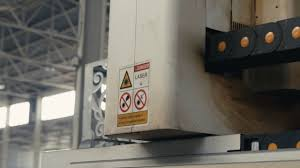
Running an industrial facility is a complex operation that demands precision, discipline, and a strong commitment to safety. Whether the facility produces energy, manufactures goods, or handles chemical processing, the risks involved can be significant. From heavy machinery to hazardous materials, even a small oversight can lead to costly downtime, environmental harm, or serious injury. That is why safety protocols are not just guidelines—they are the backbone of sustainable industrial operations.
Building a Strong Safety Culture
A safe industrial facility starts with culture. Policies and manuals alone are not enough if employees do not actively practice them. Management must lead by example, reinforcing the importance of safety in daily operations. When workers see supervisors consistently wearing protective gear, following procedures, and addressing hazards immediately, they are more likely to do the same.
Regular safety meetings and open communication channels also help strengthen this culture. Workers should feel comfortable reporting risks without fear of blame or punishment. A proactive approach to hazard identification can prevent accidents before they happen.
Proper Training and Certification
One of the most critical safety protocols is ensuring that all employees are properly trained for their roles. Industrial environments often involve specialized equipment and high-risk tasks. Operators must understand not only how to use machinery but also how to respond in emergency situations.
Training should not be a one-time event. Refresher courses, drills, and certification updates are essential for maintaining high standards. New technologies and processes are constantly being introduced, so continuous learning ensures workers stay competent and confident.
Equipment Maintenance and Inspection
Equipment failure is one of the leading causes of industrial accidents. To reduce this risk, facilities must implement strict maintenance schedules. Machines should be inspected regularly for wear and tear, and any issues should be addressed immediately.
Preventive maintenance is far more effective than reactive repairs. By identifying potential failures early, facilities can avoid unexpected breakdowns that may lead to dangerous situations or production delays. Detailed maintenance logs also help track performance trends over time.
Emergency Preparedness and Response
Even with the best precautions, emergencies can still occur. Fires, chemical spills, power outages, and mechanical failures are all possibilities in an industrial environment. That is why having a clear and practiced emergency response plan is essential.
Employees should know evacuation routes, assembly points, and communication procedures. Regular emergency drills help ensure that responses become second nature. First aid stations, fire suppression systems, and emergency shut-off mechanisms should always be accessible and functional.
Hazard Identification and Risk Assessment
Every industrial facility must continuously evaluate potential hazards. This includes physical risks such as moving machinery, as well as environmental and chemical risks depending on the type of operation.
A structured risk assessment process helps prioritize which hazards need immediate attention. For example, slip hazards in high-traffic areas or exposure risks in chemical storage zones should be addressed with clear controls such as signage, barriers, or ventilation systems.
In more advanced operations like wastewater treatment plant design, risk management becomes even more critical due to the combination of mechanical systems and biological processes that must be carefully controlled.
Use of Personal Protective Equipment (PPE)
Personal protective equipment remains one of the simplest yet most effective safety measures. Helmets, gloves, safety glasses, ear protection, and protective footwear all reduce the severity of injuries when incidents occur.
However, PPE should never be considered a substitute for proper procedures. Instead, it acts as the final layer of defense. Facilities must ensure PPE is readily available, properly maintained, and correctly used by all personnel.
Automation and Safety Technology
Modern industrial facilities increasingly rely on automation to improve both efficiency and safety. Sensors, monitoring systems, and automated shutoffs can detect anomalies faster than human operators.
For example, temperature sensors can detect overheating equipment before it becomes a fire hazard, while pressure sensors can prevent system failures in pipelines. Integrating smart technology into operations reduces human exposure to dangerous conditions and improves overall reliability.
In Conclusion
Safety in industrial environments is not optional—it is essential for long-term success. From training and maintenance to emergency preparedness and risk assessment, every protocol plays a role in protecting both people and operations. Facilities that prioritize safety not only reduce accidents but also improve efficiency, productivity, and trust among workers.
A well-managed industrial facility is one where safety is embedded into every decision, every process, and every level of operation.