Tackling Hard Water in UK Homes: Smart Ways to Reduce Limescale and Cut Costs
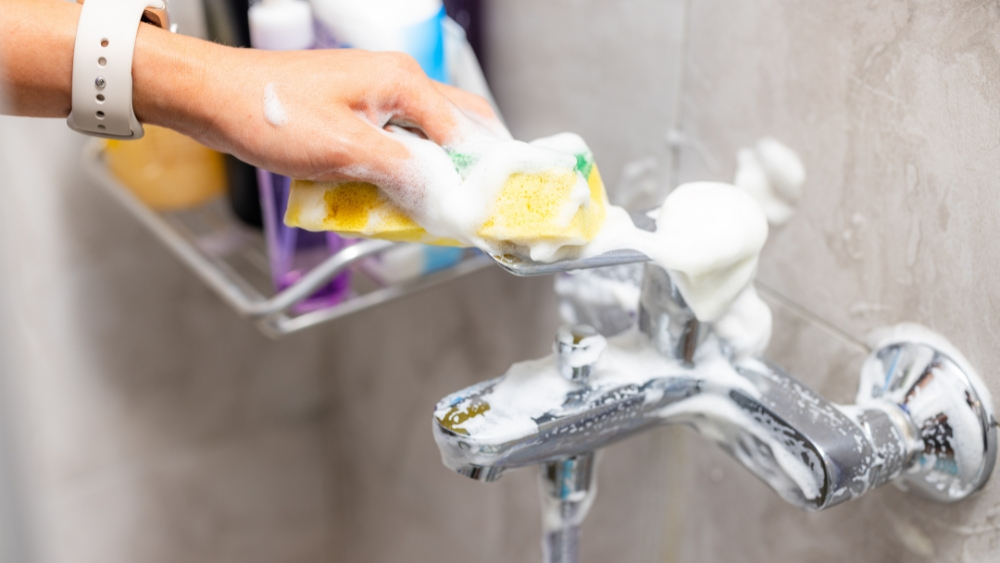
If you live in the UK, chances are you’ve dealt with the frustrating effects of hard water. Whether it’s cloudy glassware, stubborn marks on taps, or a kettle that constantly needs descaling, limescale is more than just a cosmetic nuisance. Over time, it can quietly drive up energy bills and reduce the lifespan of essential household systems.
Understanding how to manage hard water effectively is key to protecting your home, especially as energy efficiency becomes an increasing priority for homeowners.
Understanding Hard Water Problems in the UK
Hard water occurs when groundwater passes through limestone and chalk, absorbing minerals such as calcium and magnesium. These minerals remain in your water supply and become visible when water is heated or evaporates.
Common signs of hard water include:
- White residue on taps, sinks, and shower screens
- Stiff laundry and dull fabrics
- Soap that doesn’t lather easily
- Frequent scale buildup in kettles
While these issues may seem minor at first, they often point to deeper inefficiencies within your home.
Why Limescale Is More Than Just a Cleaning Issue
Limescale buildup doesn’t just affect surfaces—it can have a significant impact on your home’s performance and running costs.
Heating Systems Under Pressure
Your boiler and central heating system are particularly vulnerable to scale. As deposits accumulate inside pipes and heating elements, they reduce heat transfer efficiency. This leads to:
- Slower heating times
- Increased energy consumption
- Higher monthly bills
Over time, this added strain can also contribute to costly repairs or even premature system failure.
Everyday Appliance Wear
Appliances that regularly use water are also at risk. Dishwashers, washing machines, and even coffee machines can suffer from internal scale buildup, resulting in:
- Reduced effectiveness
- Higher maintenance needs
- Shortened lifespan
Addressing limescale early can help avoid these long-term costs.
Exploring Water Softener Alternatives
When it comes to managing hard water, many UK homeowners are familiar with traditional water softeners. However, these aren’t the only option available.
Limitations of Traditional Systems
Salt-based water softeners physically remove minerals from water, which can be effective but comes with considerations such as:
- Ongoing maintenance and salt replacement
- Space requirements for installation
- Changes to water composition
For those seeking a simpler and more convenient approach, alternative solutions are gaining attention.
A Practical Approach: Water Conditioning Systems
Water conditioning systems are designed to tackle limescale in a different way. Rather than removing minerals, they alter how these minerals behave in the water, preventing them from forming hard deposits.
One such option is the Halcyan water conditioner, a non-electric system that works to reduce scale formation throughout the home. As a scale prevention system, it allows homeowners to manage hard water problems without the need for chemicals or ongoing maintenance.
Key Benefits of Using a Water Conditioner UK Solution
Switching to a water conditioning system can deliver noticeable improvements across multiple areas of your home.
Cleaner Surfaces with Less Effort
With reduced limescale formation:
- Bathrooms stay cleaner for longer
- Glass and tiles require less scrubbing
- Cleaning products are used less frequently
Improved Energy Efficiency
By minimising scale inside heating systems, water conditioners help maintain efficient heat transfer. This can result in:
- Lower energy usage
- Reduced heating costs
- More consistent performance from boilers
Protection for Household Appliances
Preventing scale buildup helps appliances operate more effectively, leading to:
- Fewer breakdowns
- Extended lifespan
- Better day-to-day performance
Hassle-Free Operation
Many modern water conditioning systems are designed with convenience in mind:
- No electricity required
- No salt or chemical refills
- Compact and straightforward installation
Supporting Limescale Prevention at Home
While installing a water conditioning system can make a significant difference, combining it with simple daily habits can maximise results.
Consider the following tips:
- Dry sinks, taps, and shower screens after use
- Use descaling solutions periodically where needed
- Choose detergents suited for hard water areas
These small actions help maintain a cleaner home and reduce the long-term effects of mineral buildup.
Is a Water Conditioner Right for You?
Choosing the best solution depends on your household’s specific needs. Factors to consider include:
- The severity of hard water in your area
- Your budget and maintenance preferences
- Available installation space
For many UK homeowners, water softener alternatives like conditioning systems offer a balanced approach—addressing limescale without the added complexity of traditional methods.
Conclusion
Hard water problems are a widespread challenge across the UK, affecting everything from daily cleaning routines to long-term energy efficiency. Left untreated, limescale can quietly increase costs and reduce the performance of essential household systems.
Fortunately, there are practical and accessible solutions available. By exploring modern approaches such as water conditioner UK systems, homeowners can take control of limescale and protect their homes more effectively. With the right combination of technology and simple habits, it’s possible to reduce maintenance, improve efficiency, and enjoy a more comfortable living environment.